
Essays
We develop projects based on long-form journalistic research.
Our work begins with a sustained presence in the territories, where we establish direct relationships with communities and follow their processes over time.
Research involves observing, cross-checking, and documenting with rigor, avoiding simplifications and seeking to understand the structural causes behind each conflict.
We combine photography, text, and sound to build narratives that move beyond immediacy and provide context, memory, and analysis.
This multi-award-winning work by Pablo E. Piovano documents, over nearly a decade, the health and social consequences of the massive use of pesticides in Argentina.
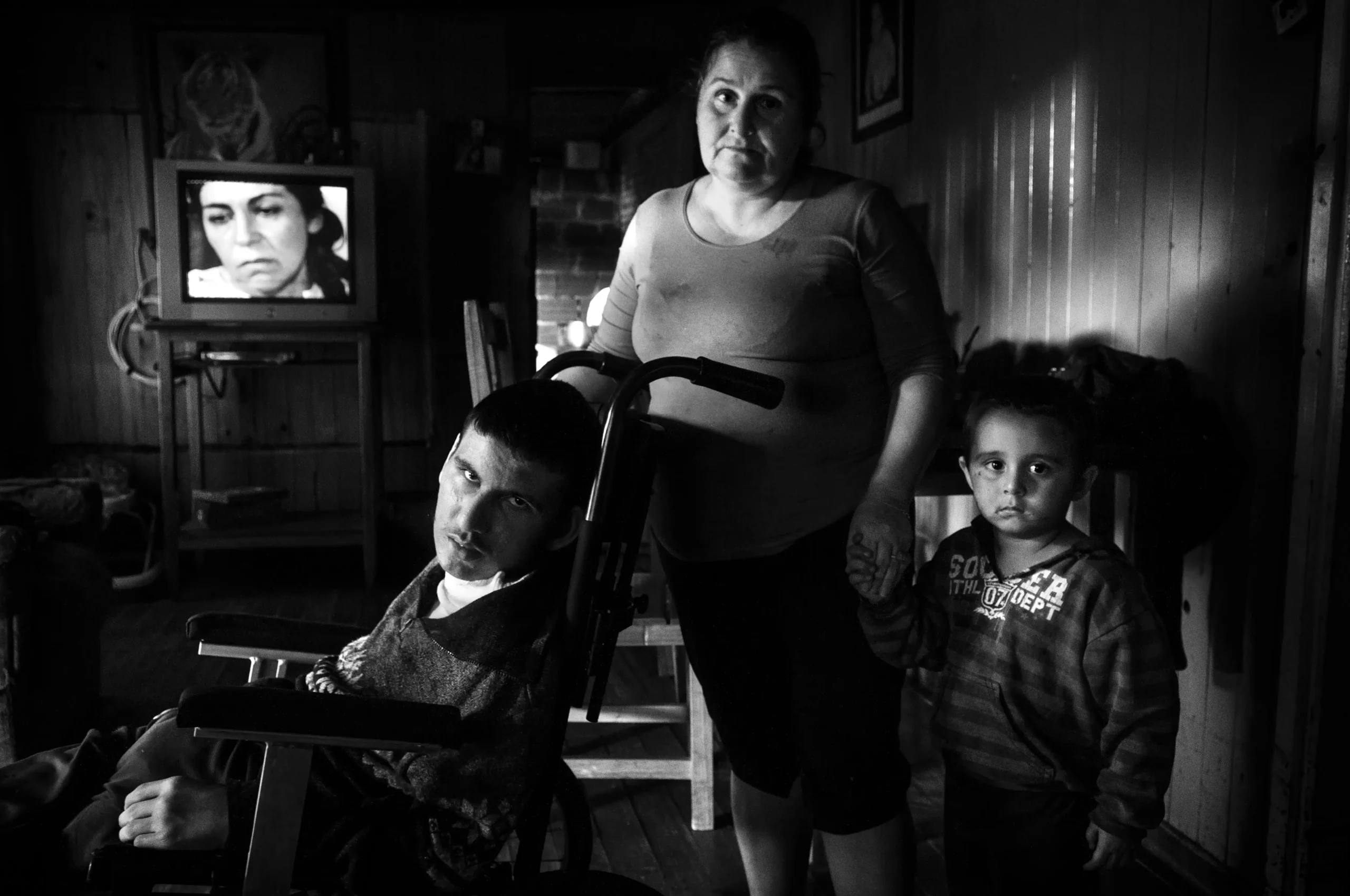
Each project seeks to strengthen the voices of its protagonists and offer tools for reflecting on the ongoing social, cultural, and environmental transformations.
This project by Lawen and Conexiones Climáticas documents the oil cycle in Mexico and its socio-environmental impact. A visual and journalistic investigation that reveals the traces left by the fossil fuel industry and opens a reflection on a fairer energy future.
Vaca Muerta, the largest unconventional hydrocarbon megaproject in the Global South, currently supplies 60% of Argentina’s oil and 75% of its gas.
Winner of the World Press Photo award, this work documents more than seven years of resistance and everyday life among Mapuche communities facing persecution for defending their land and water.
In October 2019, young people took to the streets and inspired an entire society. In response to popular anger, the state answered with repression, torture, mutilations, and killings.
We traveled to Oiapoque in November 2025, after oil exploration was approved at the mouth of the Amazon. The drilling —and an oil spill in early 2026— reveals the risk faced by Indigenous communities in one of the most biodiverse ecosystems on the planet.
Amid community kitchens and shared care networks, one of Buenos Aires’ largest working-class neighborhoods becomes a refuge where life and everyday struggle intertwine in the face of state abandonment.