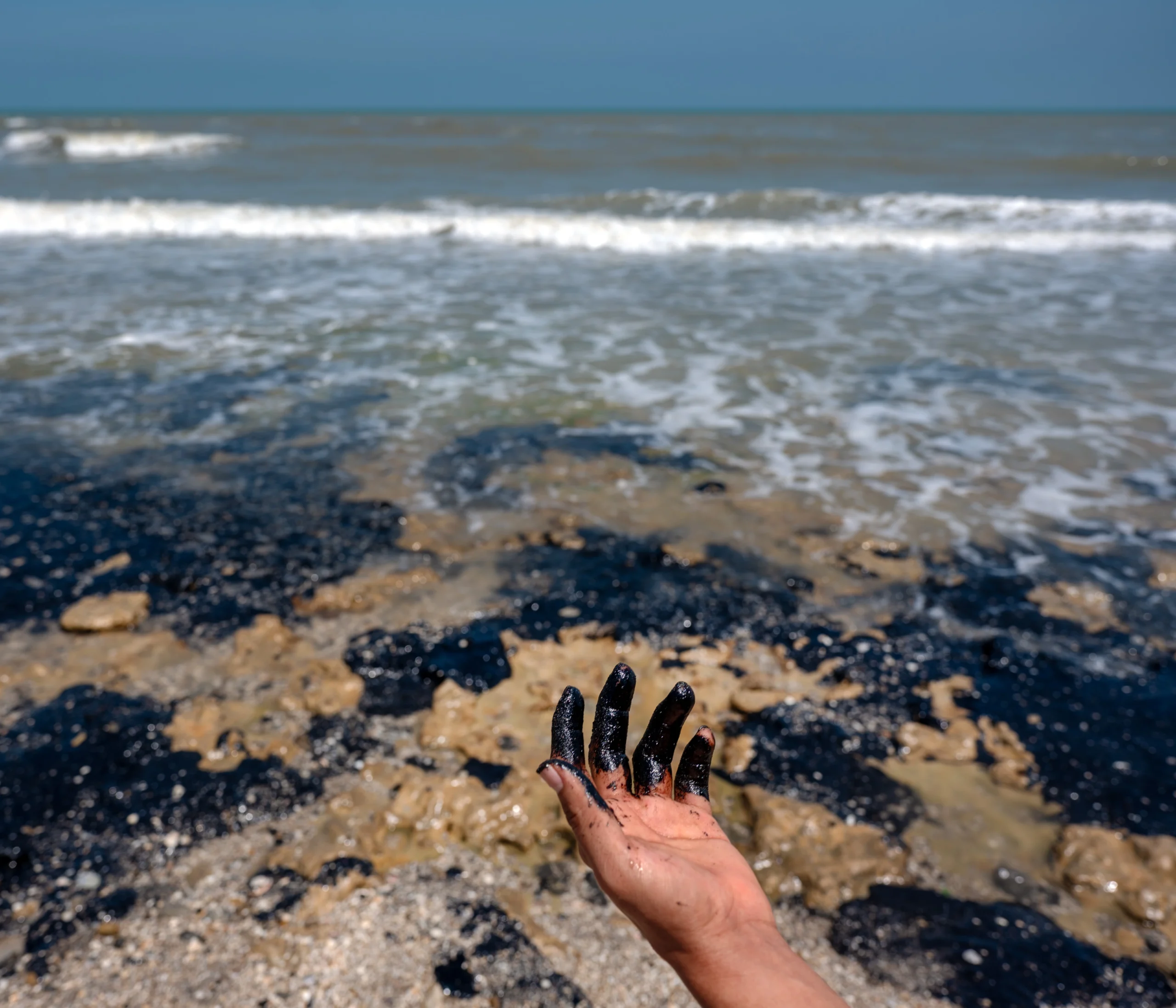
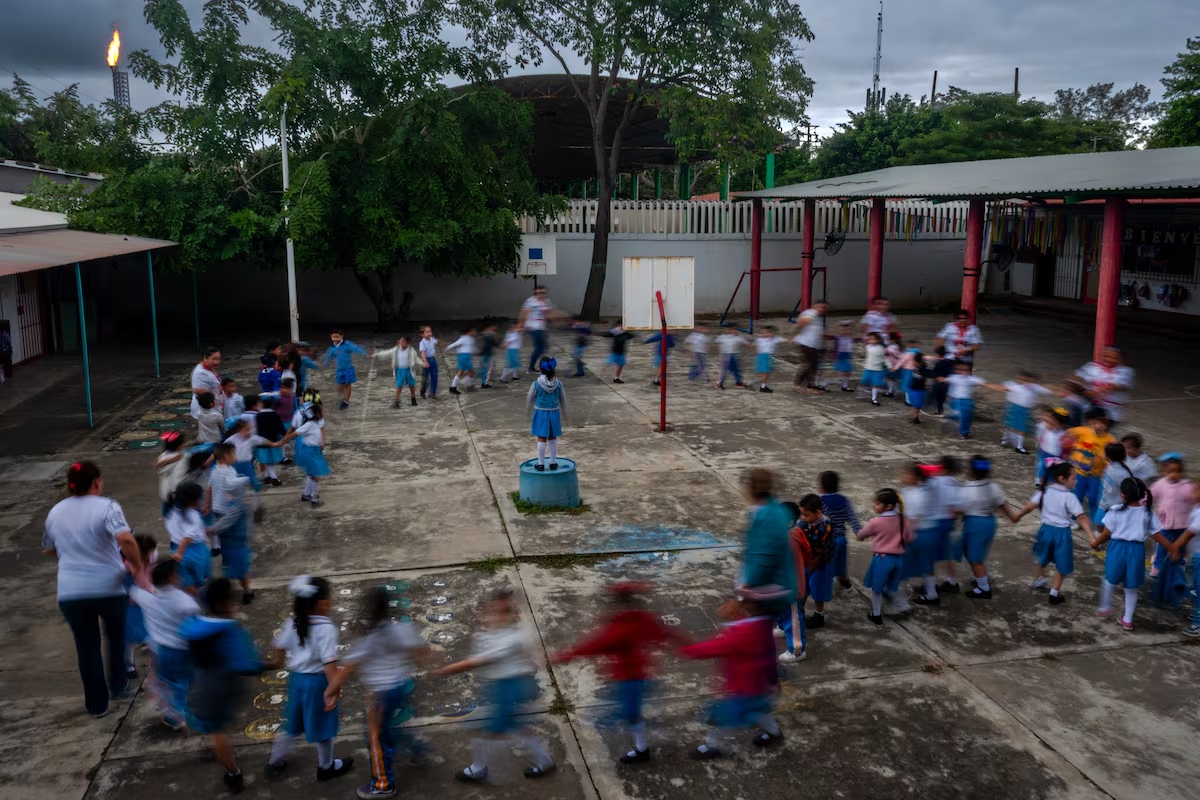
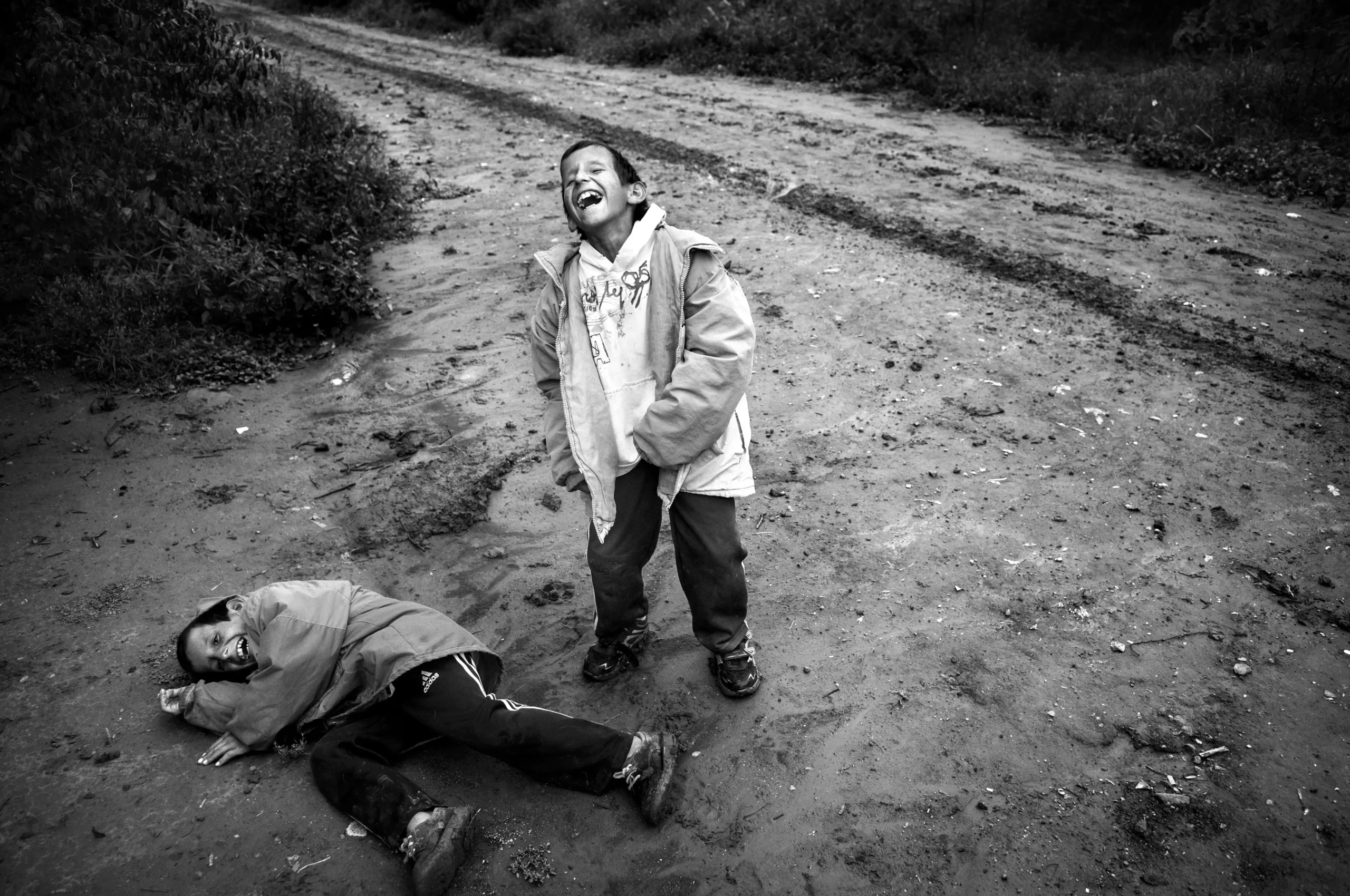
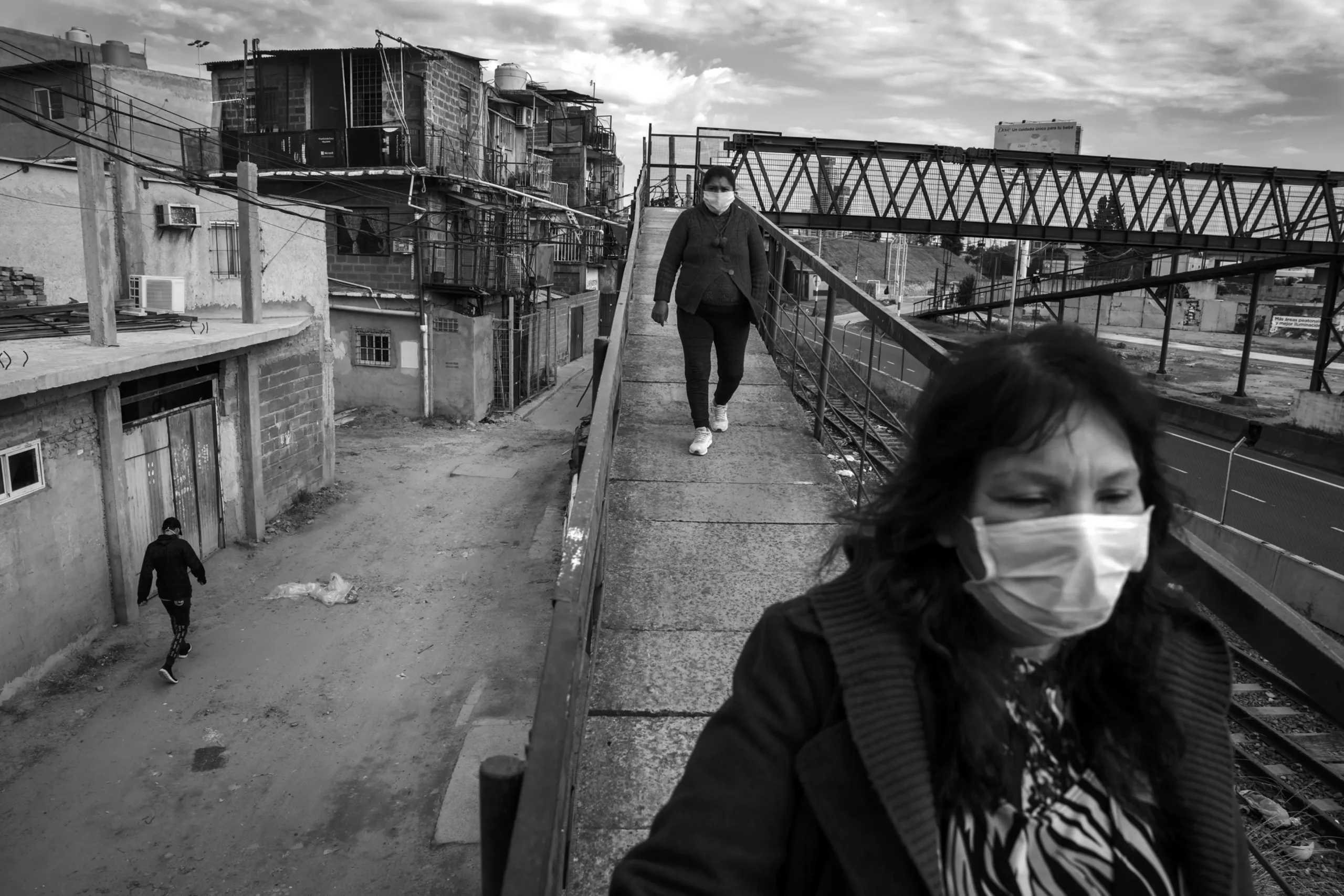
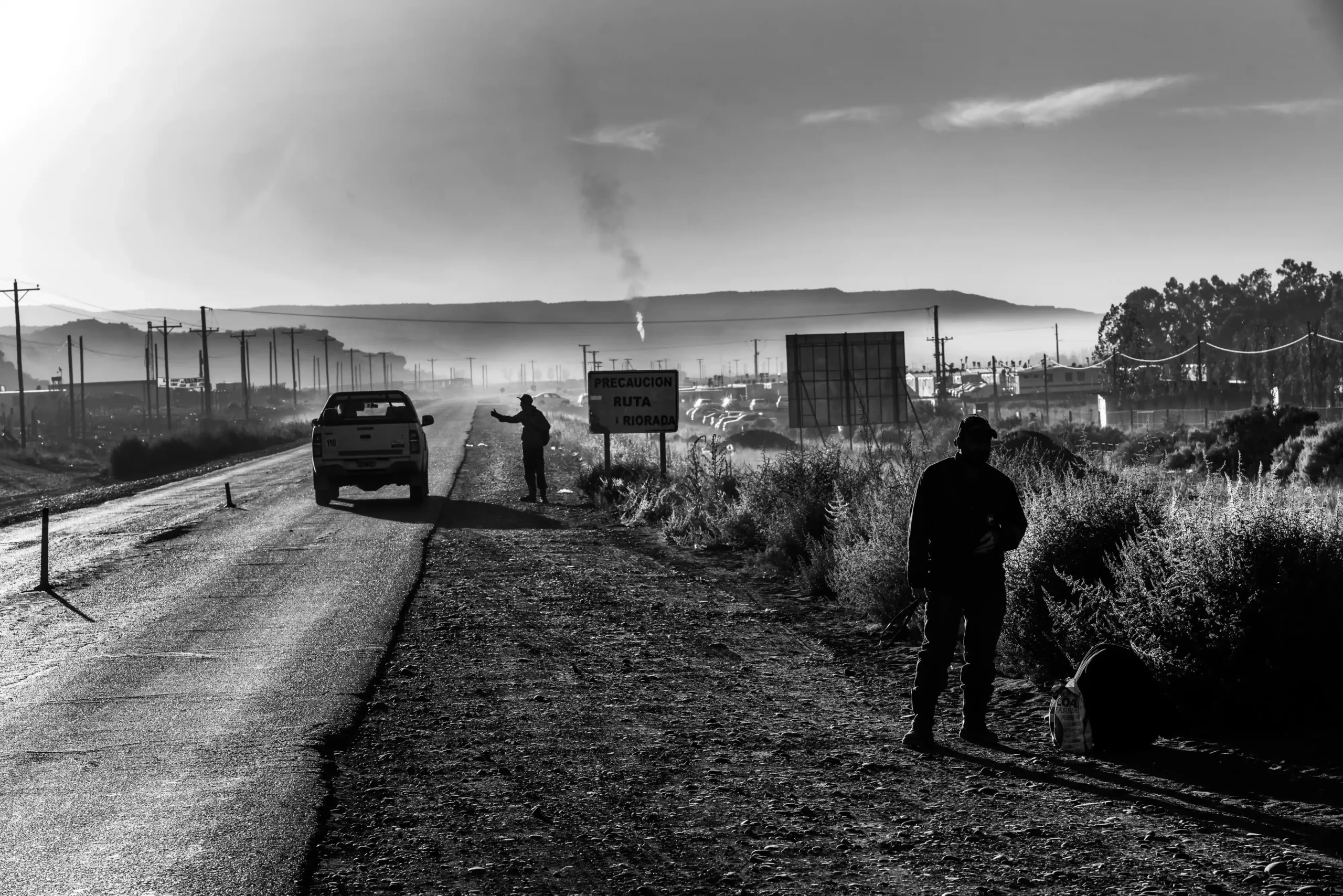
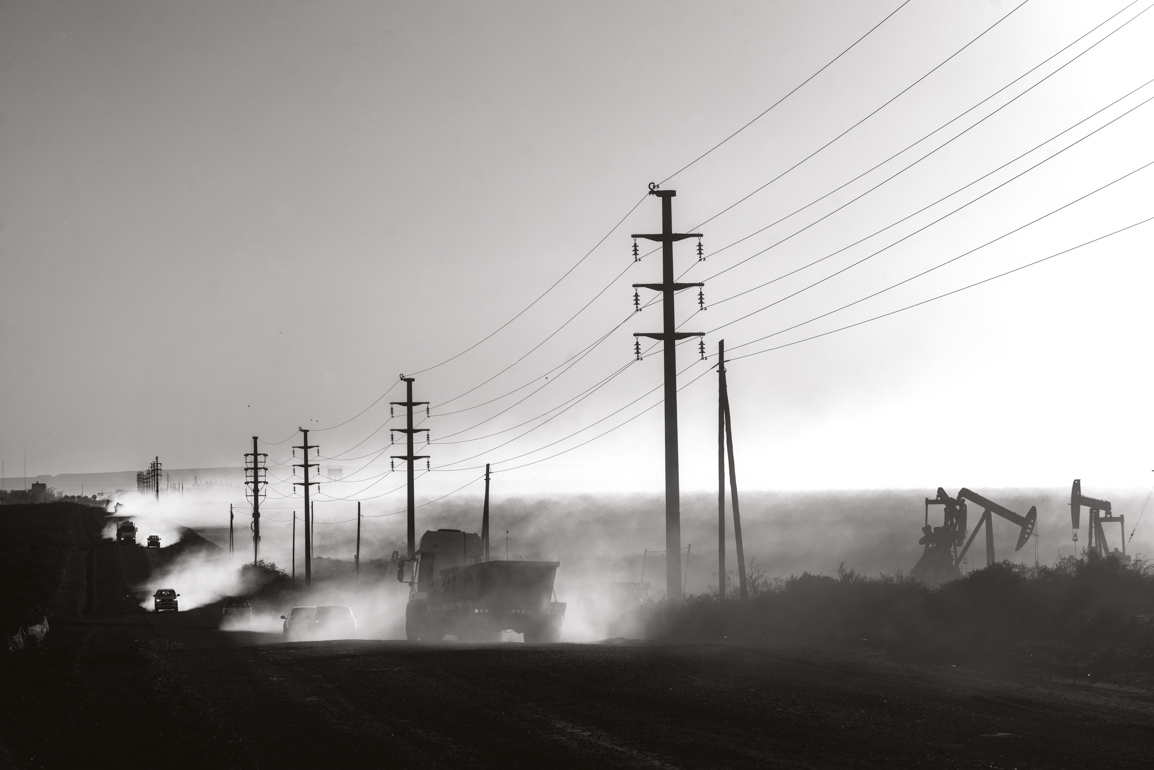
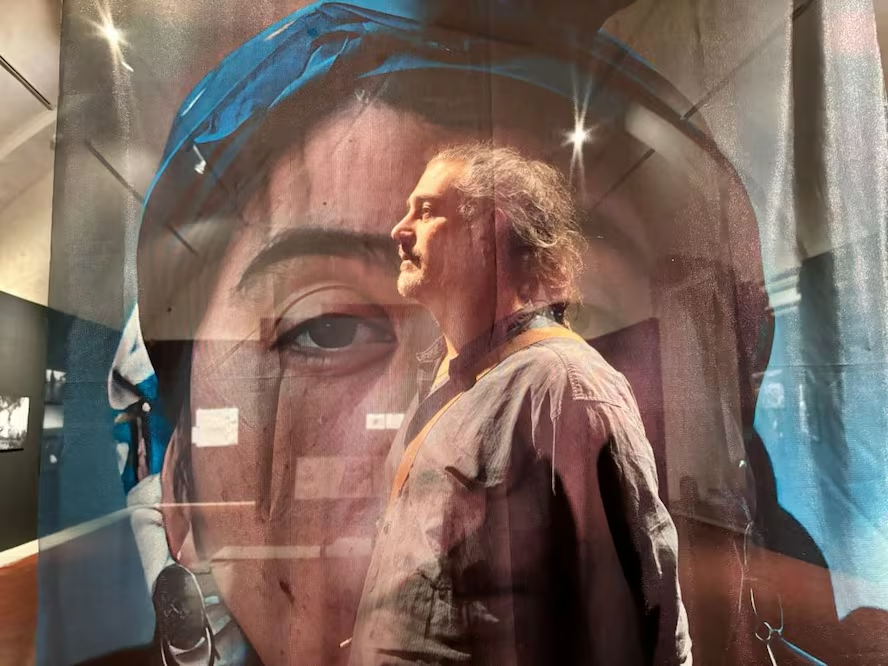
Our work has been published in numerous media outlets and books dedicated to journalism, photography, and human rights. These include features in National Geographic, The Guardian, Le Monde Diplomatique, El País, Página/12, Revista Anfibia, Der Spiegel, and Bloomberg Green, addressing the consequences of extractivism, the defense of territories, and community resistance in Latin America.
In addition, the series The Human Cost of Agrotoxins, Fractured Life, and Mapuche: The Return of the Ancient Voices are included in catalogues and collective books on contemporary photography, environmental justice, and the continent’s visual memory.
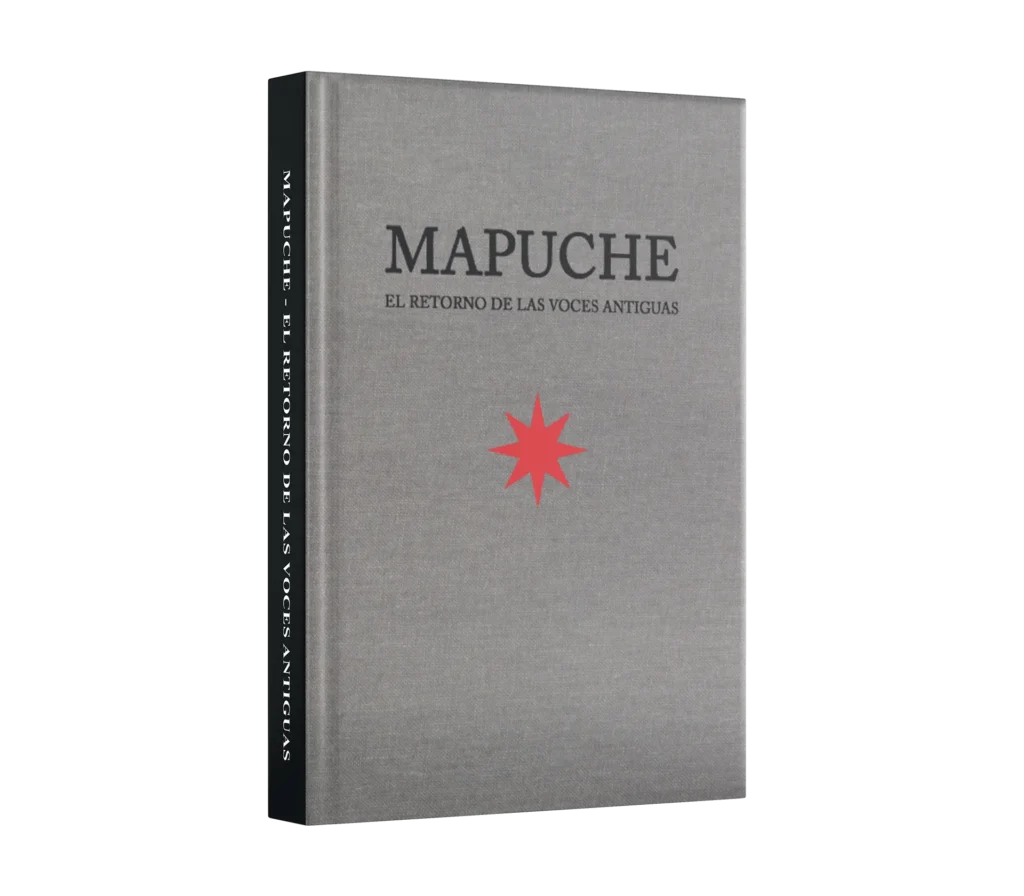
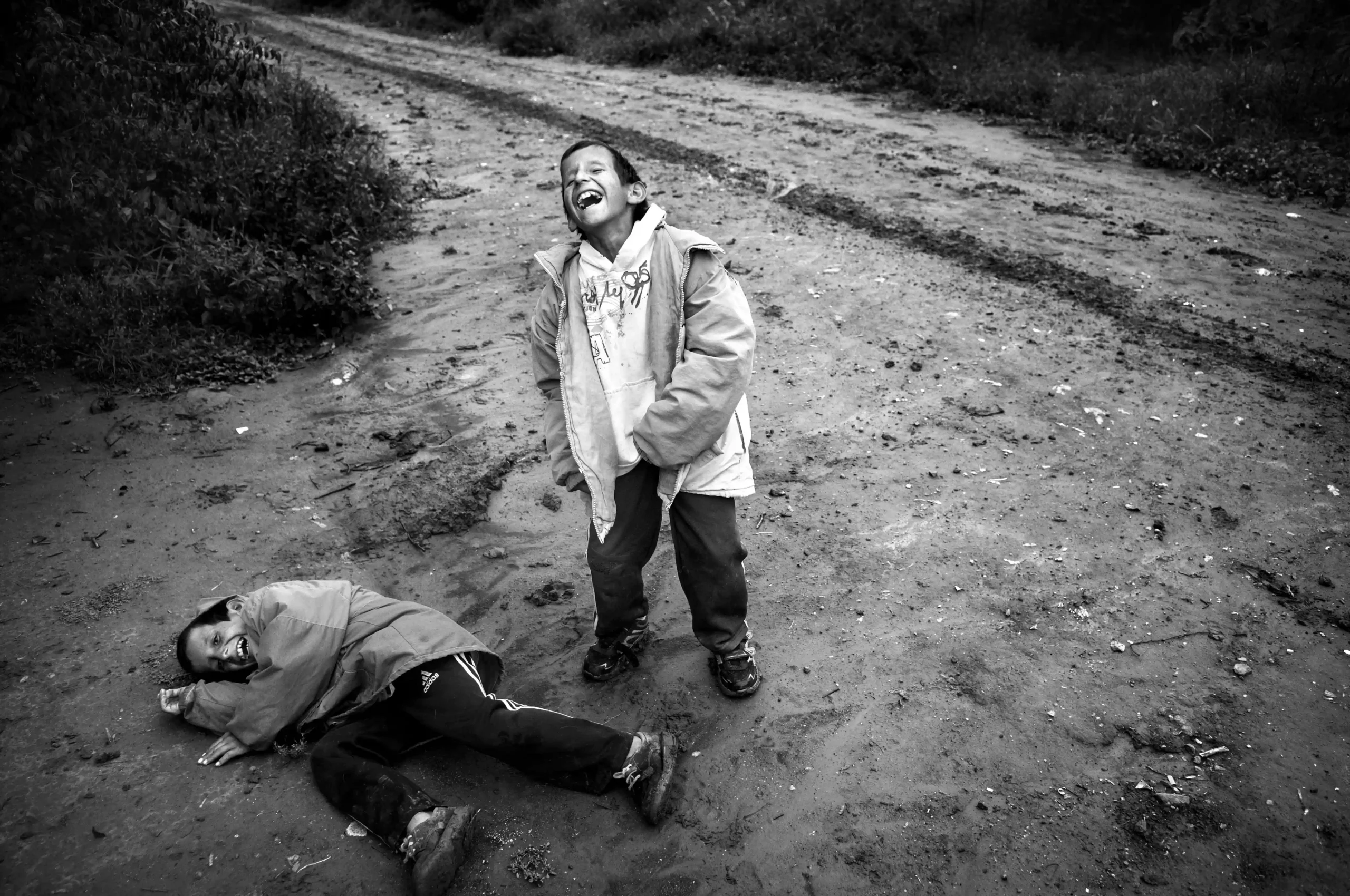
Mapuche: The Return of the Ancient Voices
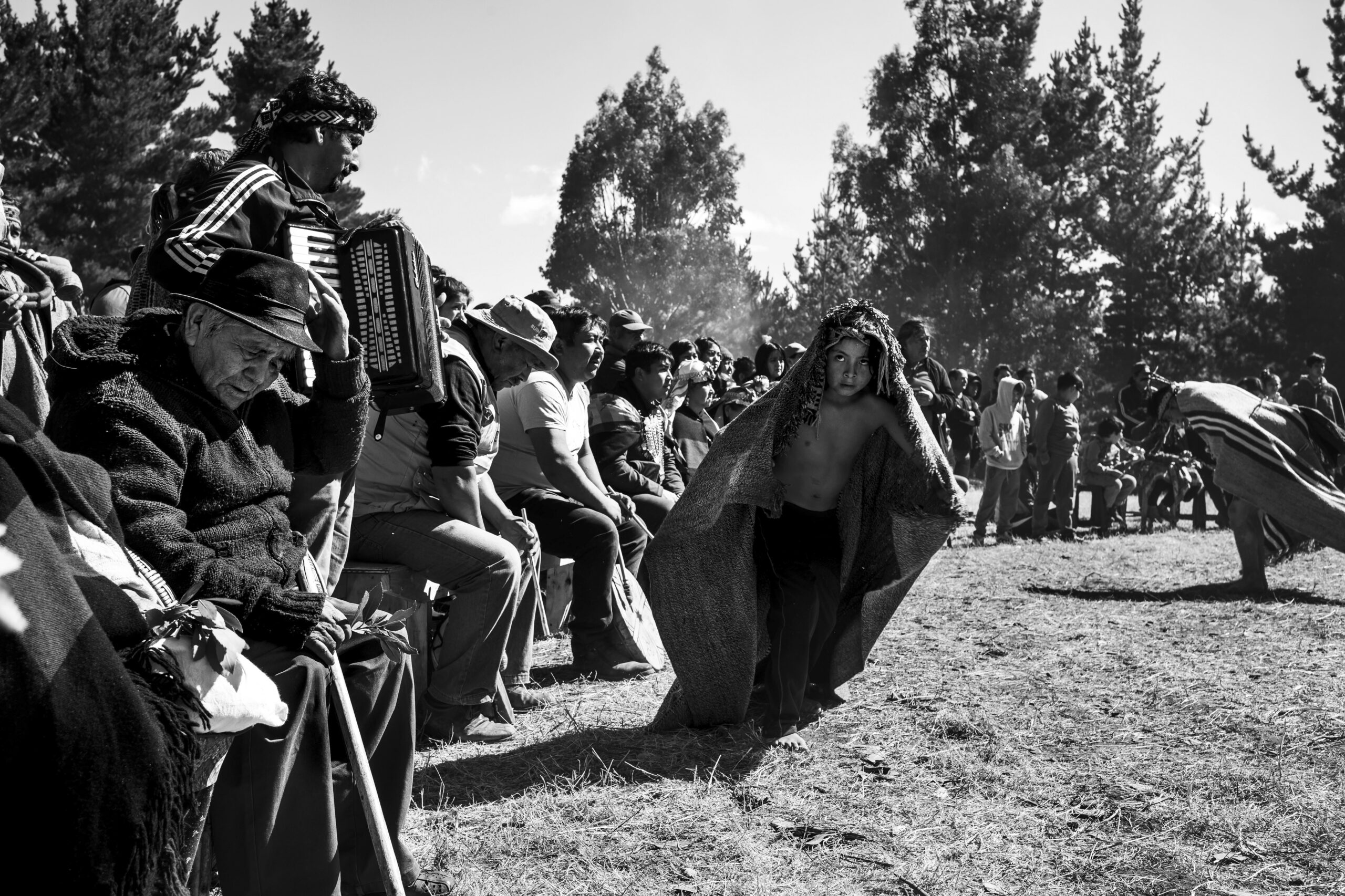
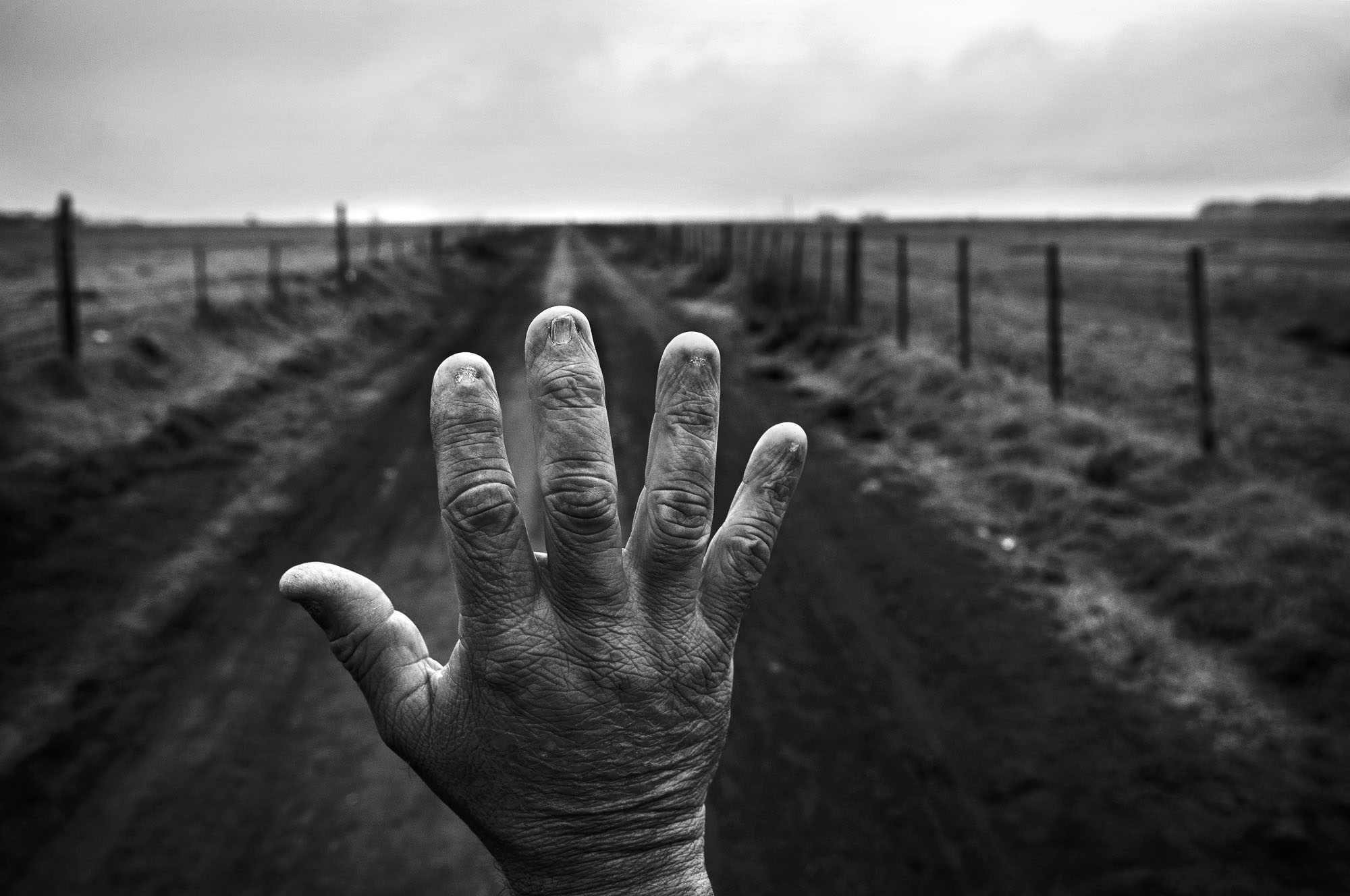
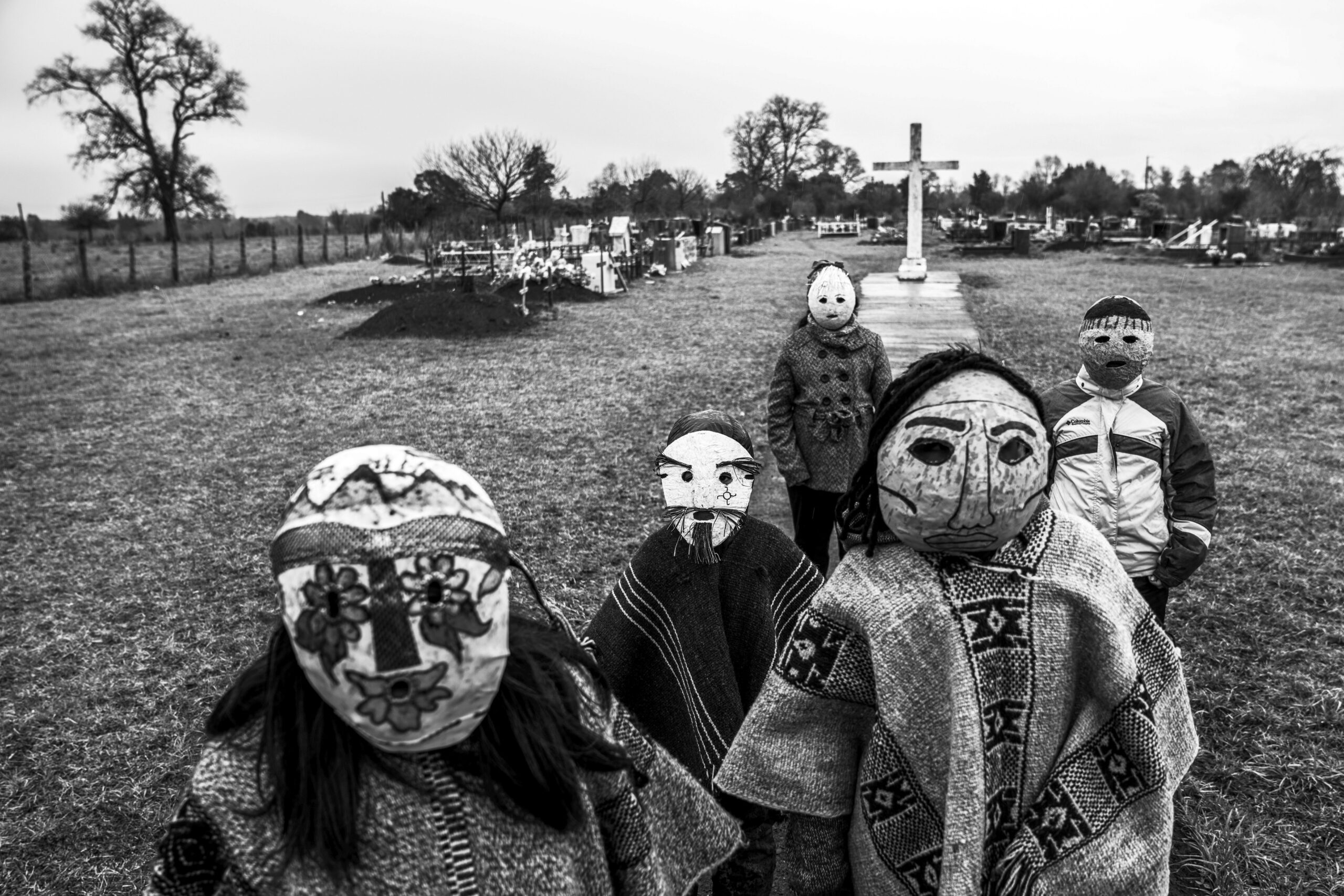
A book featuring more than 100 photographs by Pablo E. Piovano, bringing together nearly a decade of documentary work alongside Mapuche communities in Wallmapu —what is known today as southern Chile and Argentina. Edited by Marcos Adandía, the book includes a travel diary by journalist Maxi Goldschmidt and poems by Graciela Huinao, Elicura Chihuailaf, Viviana Aylef, Leonel Lienlaf, Maribel Mora Curriao, and Liliana Ancalao.
Through photographs, texts, and testimonies, the work documents the Mapuche people’s spiritual and political relationship with their territory, as well as their struggle against the advance of extractivism. It seeks to preserve the memory of the resistance and everyday life of a people persecuted for defending the land and water.
About the authors
Argentine documentary photographer and filmmaker (Buenos Aires, 1981)
His work addresses the human and environmental impacts of extractivism in Latin America. Author of the projects The Human Cost of Agrotoxins, Mapuche: The Return of the Ancient Voices, and Fractured Life, he has published in National Geographic, Stern, GEO, Libération, L’Espresso, El País, The Guardian, among others.
Winner of the World Press Photo, the Henri Nannen Prize, and other international recognitions, his work has been exhibited in more than thirty countries. A National Geographic Explorer and co-founder of Cooperativa Lawen, he combines photography, research, and activism in defense of human and environmental rights.
Argentine journalist, producer, documentary filmmaker, and editor (Buenos Aires, 1981)
Co-founder of the cooperatives Lawen, Revista Cítrica, and Agencia Tierra Viva, and co-director of Fractured Life, he has published in Rolling Stone, El País, Gatopardo, El Desconcierto, and other Latin American media outlets. He conducts research on extractivism, climate change, and Indigenous peoples.
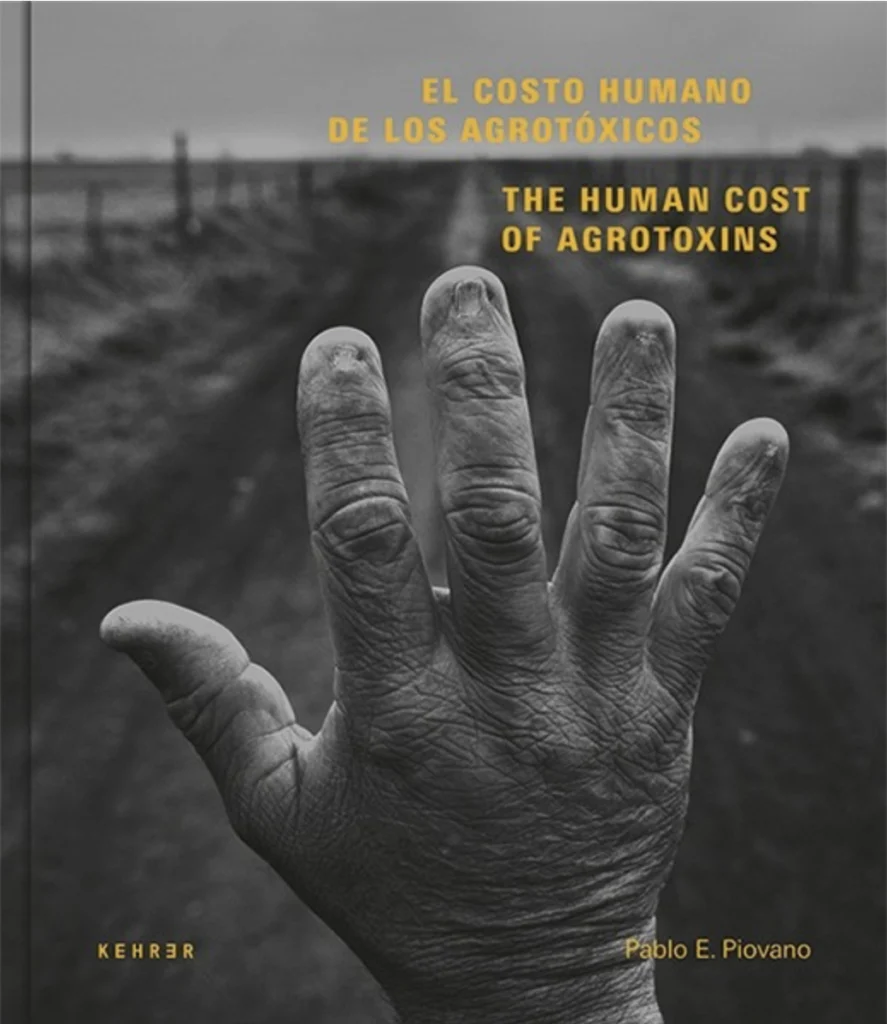
El costo humano de los agrotóxicos
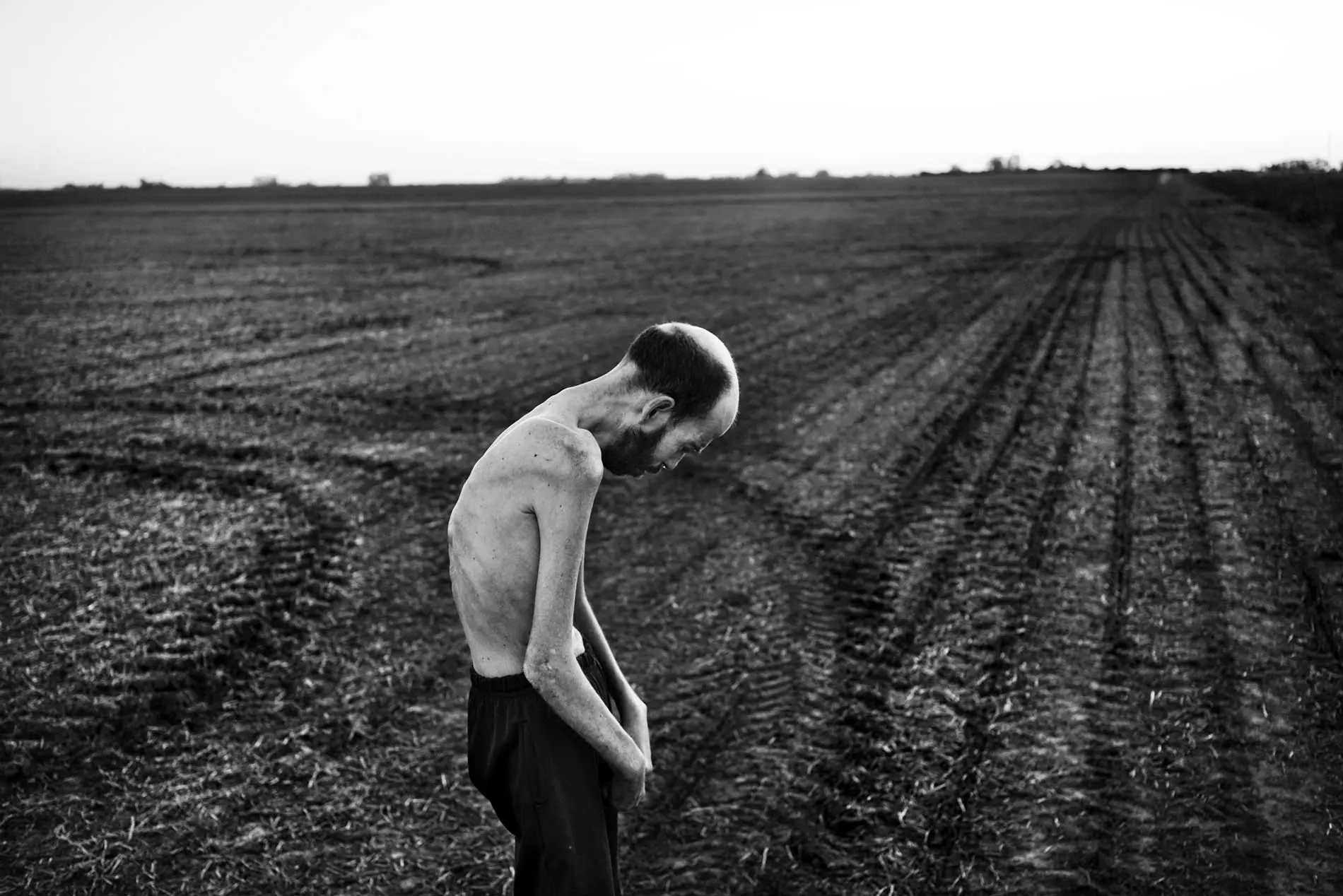
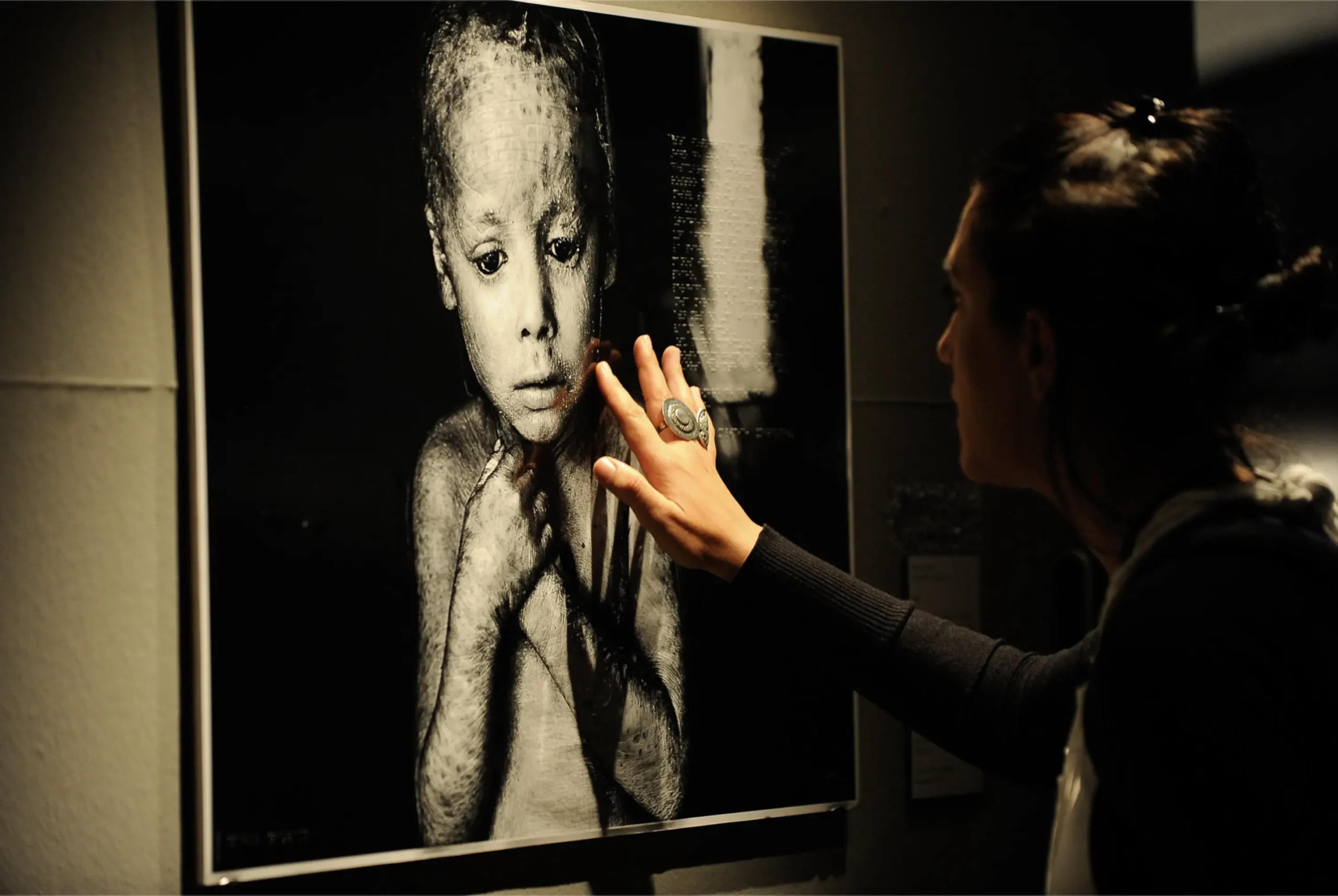
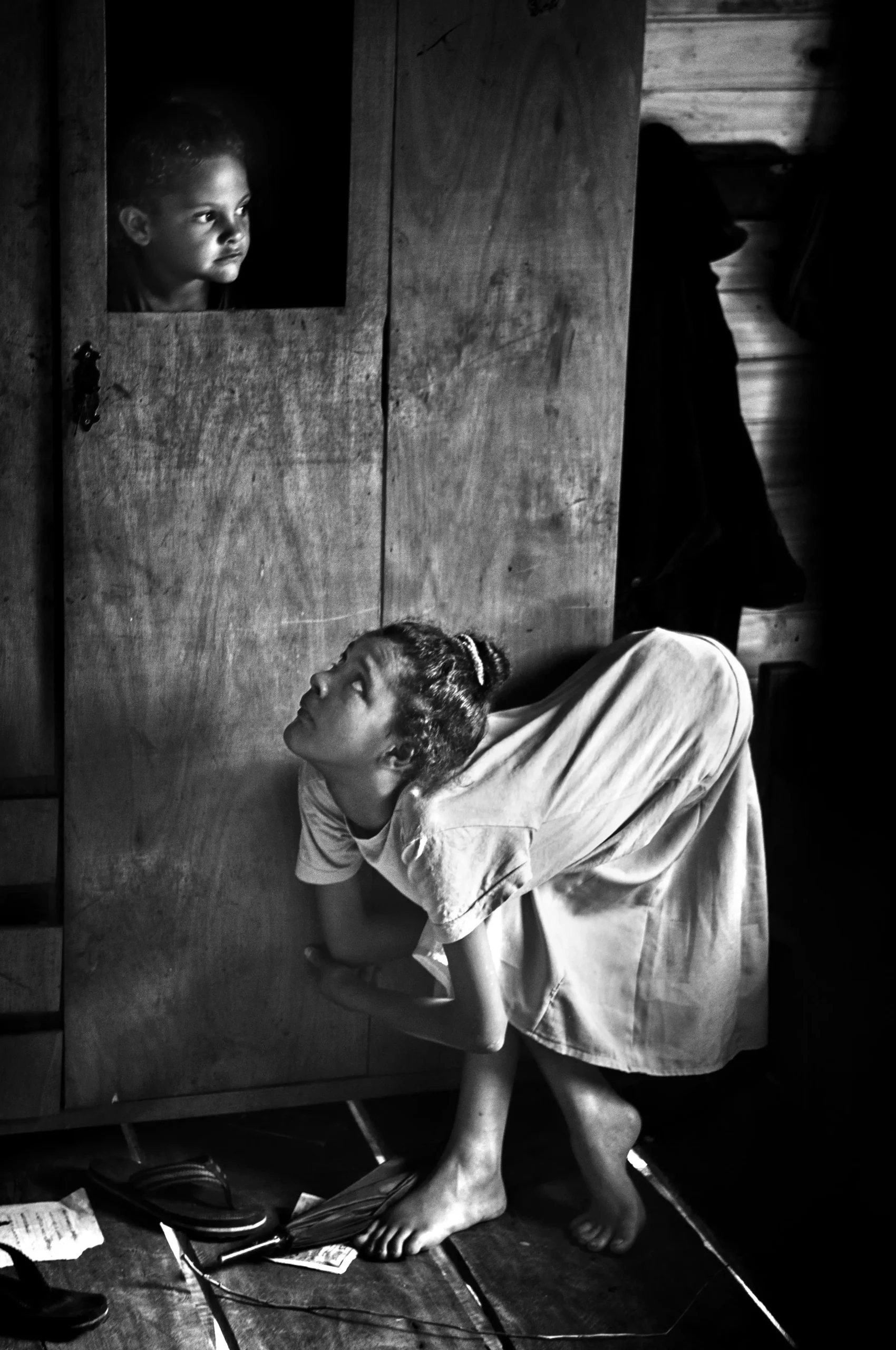
In 1996, the Argentine government approved the cultivation of genetically modified soybeans and the use of the herbicide glyphosate, applied to genetically modified crops resistant to this chemical, based solely on studies conducted by Monsanto. After three decades of glyphosate spraying directly or indirectly affecting one third of the country’s population, Argentina has become a case study in toxic disaster, with hundreds of scientific studies and medical surveys confirming the herbicide’s lethal impact: cases of pediatric cancer have multiplied, while miscarriages and unexplained congenital malformations have increased dramatically. Respiratory and skin disorders, mental disabilities, and miscarriages are only some of the documented health effects among those living directly in sprayed areas. Despite this uncomfortable truth, no systematic official information has been made available.
The Human Cost of Agrotoxins (Kehrer Verlag) —with texts by Darío Aranda, Patricio Eleisegui, Damián Marino, Pablo E. Piovano, Carlos Rodríguez, Guillermo Saccomanno, Carmen Vicente, Wendy Watriss, and Jan-Christoph Wiechmann— documents the impact of 30 years of indiscriminate agrochemical use in rural northeastern Argentina, and its devastating consequences for people and their environment.