Vaca Muerta is a geological formation containing unconventional hydrocarbons, positioned as the world’s second-largest shale gas reserve and fourth-largest shale oil reserve. On August 28, 2013, the Legislature of the Province of Neuquén voted to approve the agreement between Chevron and YPF, formalizing the beginning of the fracking era in Argentina. Since then, more than 3,000 unconventional oil and gas wells have been drilled.
After more than a decade of exploitation, socio-environmental disasters continue to multiply: land and water contamination, greenhouse gas emissions, disease, drought, earthquakes, radioactive waste, land grabbing, and renewed persecution of Mapuche communities.
Fracking in Vaca Muerta is a documentary photographic and journalistic work that makes visible the consequences of the megaproject announced as “Argentina’s salvation.” At the same time, it brings to light forms of organization and resistance among the affected communities.
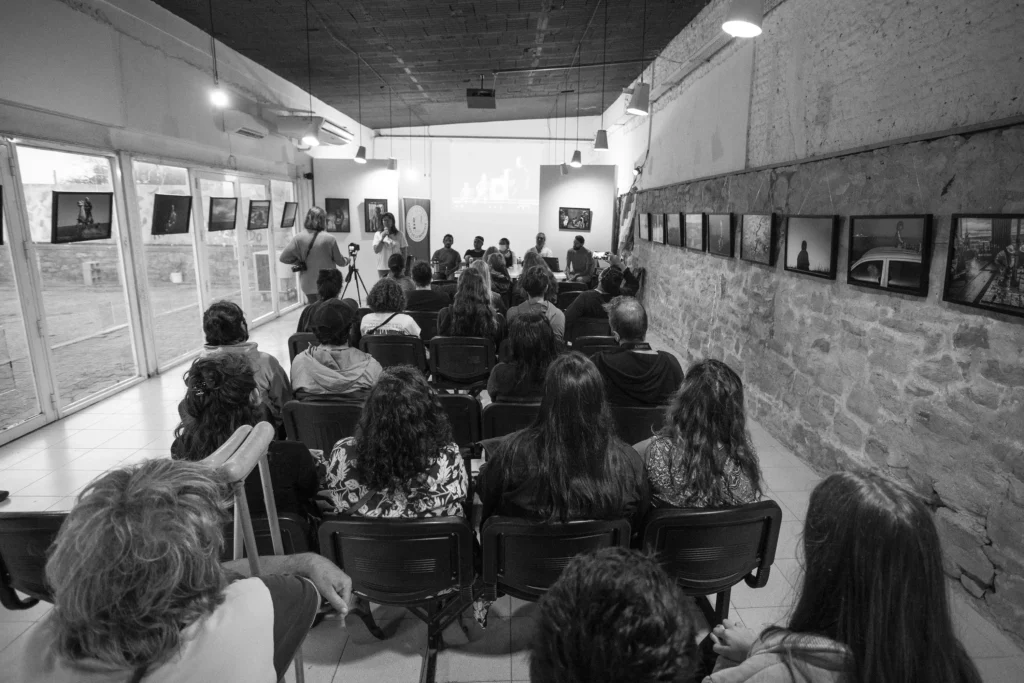
For more than six years, this exhibition has traveled through different territories, museums, cultural centers, and other spaces, bringing lesser-known images of fracking in Vaca Muerta closer to the public. It has also helped make the issue visible in the media and counter the prevailing official narrative.